Treatment
Orthodontic treatment
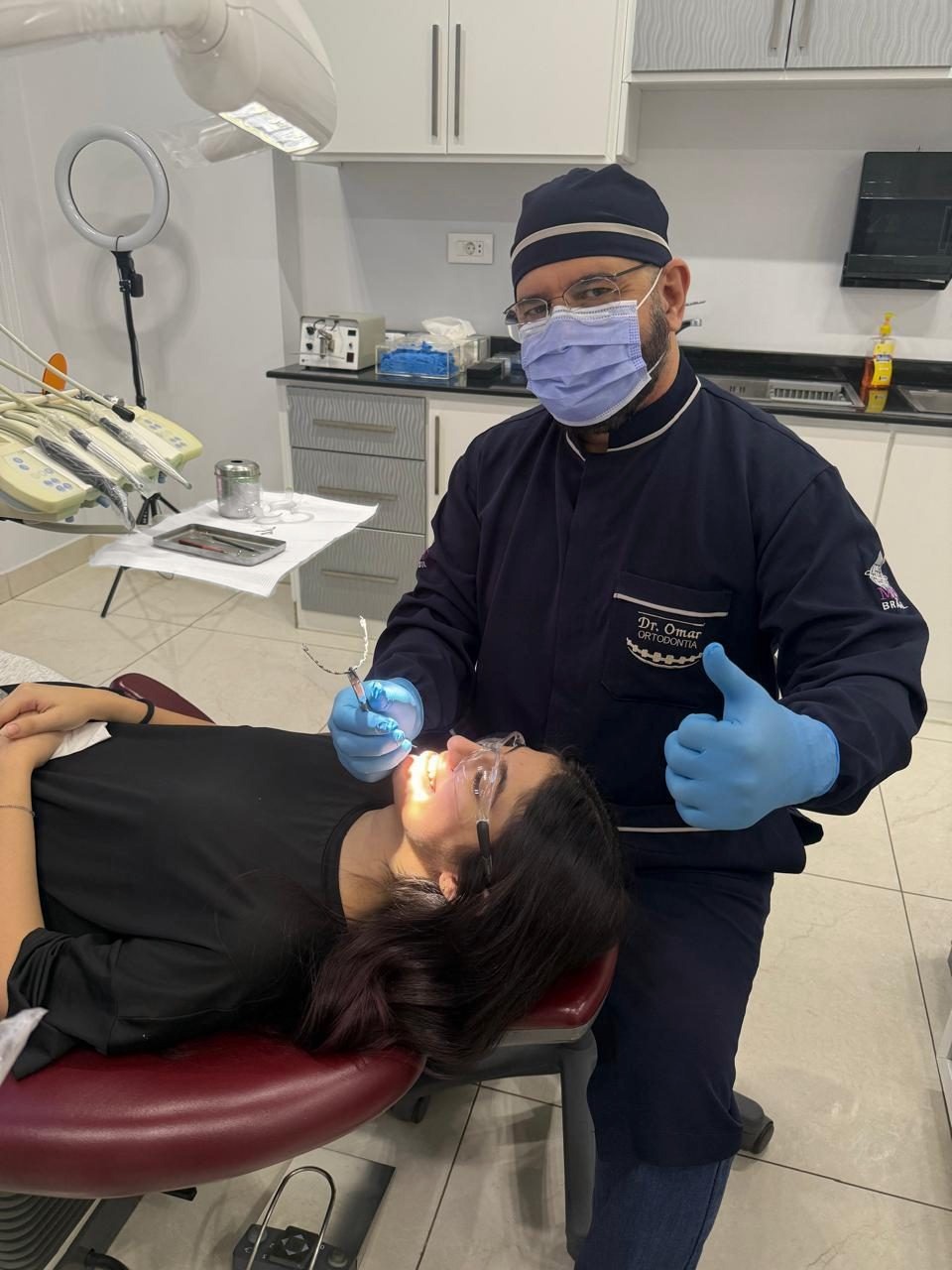
Braces move the teeth slowly and safely into the right place. They correct crowded, spaced or crooked teeth and bite problems such as overbite, underbite and crossbite.
- Suitable for
- Children, Teens, Adults
- Typical duration
- Usually 12 to 24 months. Your estimate is given at the consultation.
- Visits
- Regular check-ups, usually every 4 to 8 weeks
What it is
Small brackets are fixed on the teeth and joined by a thin wire. At each check-up the doctor adjusts the wire, and the teeth move a little at a time. Braces work all day without the patient having to remember anything, so they suit most cases, including complex ones.
What to expect
- 1Consultation: the doctor examines the teeth, jaw and bite and tells you if treatment is needed now.
- 2Records and plan: photos, X-rays or a scan if needed. The doctor explains the plan, the time and the cost before you decide.
- 3Treatment: regular check-ups so the doctor can follow and adjust the progress.
- 4Retention: retainers keep the teeth in their new place after treatment.
Questions
About orthodontic treatment
You feel pressure and some soreness for a few days after the braces are placed and after adjustments. Soft food helps. Most patients get used to them in about a week.
Mostly yes. Avoid very hard or sticky food (nuts, hard sweets, chewing gum), because it can break a bracket. Cut hard food such as apples into small pieces.
Call or WhatsApp the clinic. It is usually not urgent, but the doctor will tell you if you need to come in before your next check-up.
Other treatments