Treatment
Facial orthopedics
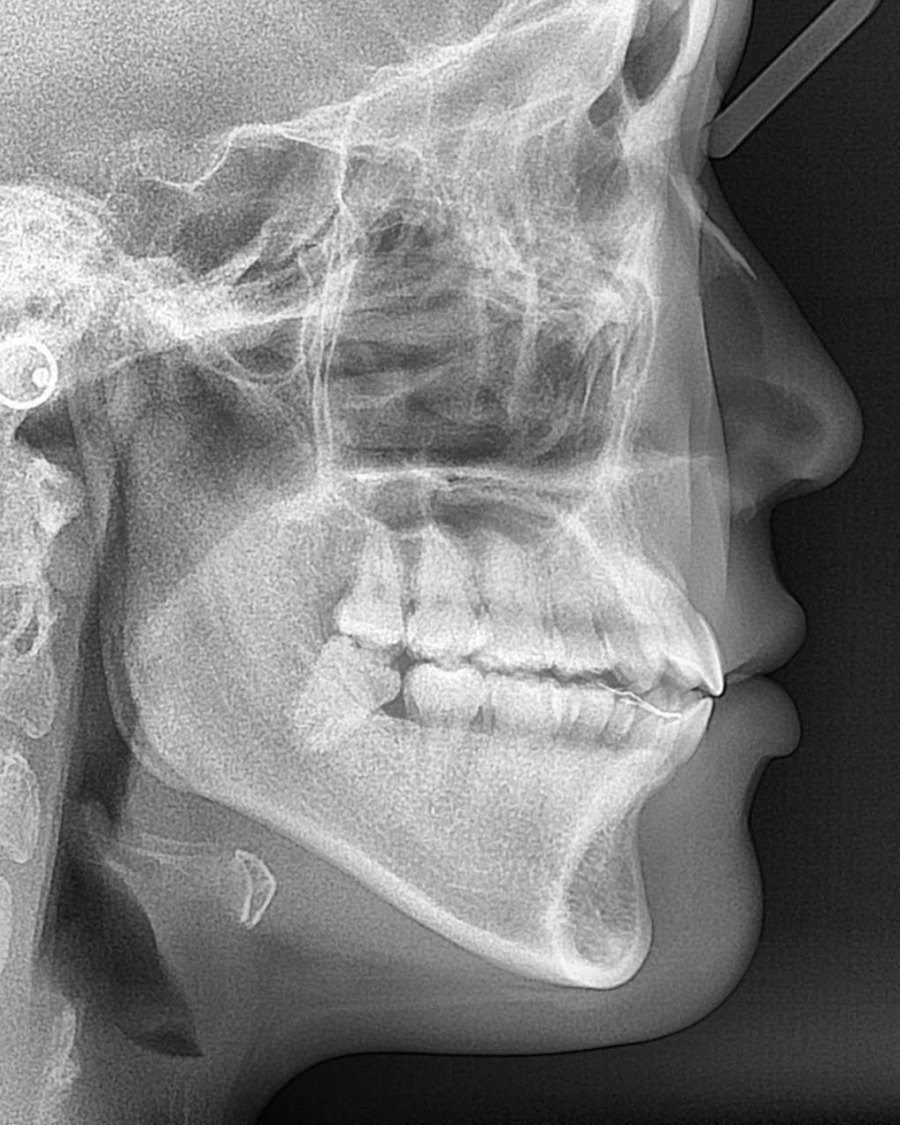
Facial orthopedics guides the growth of the jaws while a child is still growing. It corrects problems in how the upper and lower jaws fit together.
- Suitable for
- Children, Teens
- Typical duration
- Depends on the problem and the child's growth. Your estimate is given at the consultation.
- Visits
- Regular check-ups during treatment
- Treated by
- Dr. Omar Hussein Hallak
What it is
When one jaw is too narrow, too far forward or too far back, the teeth cannot fit well. During growth, special appliances (for example an expander that widens the upper jaw) can guide the jaws into a better position. This is only possible while the bones are still growing, so timing is important.
What to expect
- 1Examination of the face, jaws and bite.
- 2Records: photos and X-rays to measure jaw growth.
- 3Appliance treatment during growth, with regular check-ups.
- 4Follow-up, and braces later if needed.
Questions
About facial orthopedics
Jaw growth can only be guided while a child is still growing. After growth ends, some of these problems need longer or more complex treatment.
No. Braces move the teeth. Facial orthopedics guides the jaws. Some children need both, one after the other.
Signs include a lower jaw that is far forward or back, front teeth that do not meet, or a crossbite. The doctor can tell you at a check-up.
Other treatments